Loops at Home: Turning Small Choices into Big Patterns

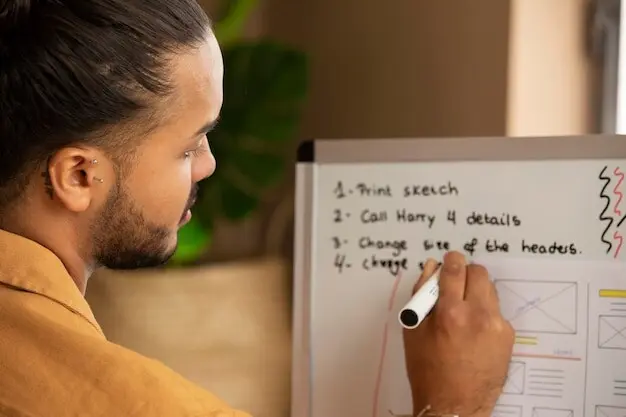
Today we explore Causal Loop Diagrams for Household Decision-Making, showing how a simple sketch can reveal the reinforcing and balancing feedback shaping chores, budgets, energy use, meals, and time. Through stories and step‑by‑step guidance, you’ll translate daily frictions into shared insights, make better experiments, and invite everyone to collaborate.

The Saturday Chore Spiral

Skip chores once, and clutter rises, making the next session harder, which fuels stress and more avoidance, letting clutter grow again. This reinforcing loop thrives on short‑term relief but taxes weekends, relationships, and focus. Mapping it helps pinpoint tiny breaks—timers, music, or shared sprints—that reverse momentum with surprisingly kind leverage.

Budget Buffers and Ripple Effects

A small emergency fund reduces panic, which reduces impulsive purchases, which protects the fund, which further calms nerves. The protective circle strengthens planning, patience, and attention to prices. Draw the links, annotate delays, and you’ll see where automatic transfers and micro‑savings amplify resilience without harsh deprivation.

Screens, Sleep, and Sanity

Late scrolling shortens sleep, heightening irritability and reducing willpower tomorrow, which invites more scrolling seeking relief. Yet consistent wind‑down routines create a balancing response, nudging bedtime earlier and mood steadier. By mapping competing loops, families choose cues—charging stations, dim lights, reading rituals—that align calm evenings with gentler mornings.

Sketching Your First Diagram Without Jargon

We start with a messy list of changing things—sleep hours, snack runs, laundry piles, thermostat settings—and ask how one nudges another. Arrows capture influence, plus or minus clarifies direction, and loop labels expose self‑reinforcing accelerators or stabilizing brakes. Begin imperfectly, iterate quickly, and prioritize meaning over artistic polish.

Impulse Buys Versus Pantry Confidence

Walking in hungry invites bright displays to drain budgets, while a stocked pantry with planned staples reduces urgency, builds confidence, and lowers stress. That confidence supports better list‑making, which keeps the pantry reliable, reinforcing calm. Draw the loop, then try pre‑shopping snacks and quick inventory rituals to test.

Batch Cooking and Midweek Relief

A Sunday pot of soup multiplies into lunches, freeing weekday decision energy and trimming takeout temptation. The relief encourages repeating the ritual, which further reduces waste and spending. Mark the reinforcing pattern, and add a balancing check—variety planning—so enthusiasm remains high while convenience and savings continue.

Leftovers, Labels, and Learning Curves

Unlabeled containers breed doubt, and doubt breeds avoidance, leading to spoilage and guilt. A simple dating habit creates trust, boosting reuse, curbing waste, and saving money that funds better containers, which further improves order. Celebrate wins publicly at dinner so the culture strengthens around visible, tasty results.

Energy, Comfort, and Bills That Behave
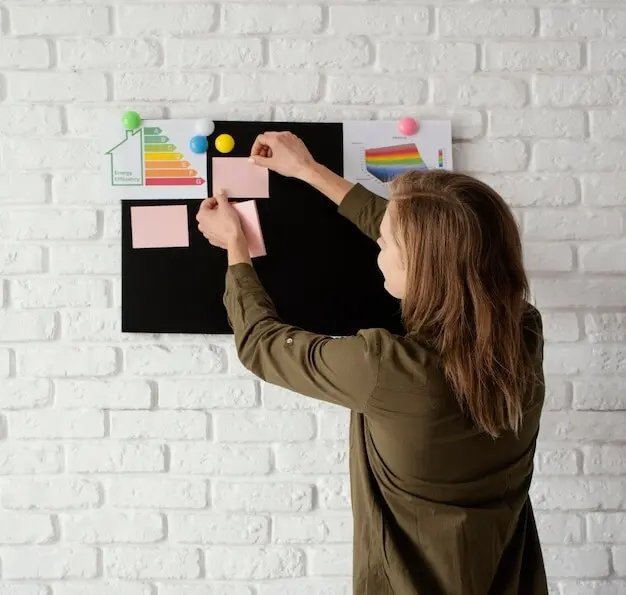
Comfort is a dynamic dance between temperature, habits, insulation, and expectations. Sketching interactions clarifies why nudging the thermostat matters less than sealing drafts, or how warm socks and tea shift perceptions. Seeing rebound effects prevents surprises, while shared experiments grow savings, resilience, and a friendlier carbon footprint together.

Delegation That Actually Sticks

Assigning chores without feedback invites drift. Tie each task to a visible signal—laundry bin fullness, sink status, calendar pings—and celebrate completions publicly. The recognition encourages repetition, builds competence, and lightens the organizer’s load, which invites even more cooperation and earns the consistency households crave on busy days.

Micro‑Rewards, Not Mega Lectures

Short, immediate rewards—choosing music, picking dessert, crossing off a shared chart—reinforce helpful actions without long negotiations. Over time, the chart becomes its own reward as streaks grow and pride rises. The loop sustains itself kindly, replacing lectures with rituals families actually enjoy repeating together.

Burnout Signals and Balancing Moves

Irritability, sighs, and late‑night tidying are early indicators that the system is overdrawn. A balancing plan adds backups, swaps roles, and schedules pauses before resentment peaks. Naming signals publicly protects relationships, assures everyone it’s okay to ask for help, and restores steadier rhythms quickly.

Make It a Weekly Kitchen‑Table Practice

A living diagram deepens only when the household revisits it. Set a gentle half‑hour each week to review wins, surprises, and next experiments. Keep snacks nearby, rotate the pen, and invite kids’ drawings. Small, consistent conversations turn insights into culture, decisions into learning, and setbacks into shared jokes.

From Picture to One Tiny Experiment

Choose one change for seven days, write a quick forecast around the loop, and assign a clear check‑in time. The modest scope keeps nerves low and curiosity high. Whether it flops or flies, you learn together, update arrows, and grow wiser without drama.

Track Signals, Not Just Opinions

Agree on two or three indicators—dishes waiting, bedtime start, snack spend—and jot them on a visible chart. Numbers cool heated debates and spotlight progress earlier than feelings notice. Watching trends encourages patience, nourishes hope, and invites applause, which strengthens the very habits making tomorrow easier.

Invite Questions, Stories, and Subscriptions

Your experiences sharpen this guide. Share a loop that surprised you, ask for feedback on tricky links, or request examples tailored to your household’s quirks. Subscribe for fresh prompts, printable templates, and real family case studies that turn diagrams into everyday confidence, laughter, and gentler mornings.
Tarivironarivaro
Privacy Overview

This website uses cookies so that we can provide you with the best user experience possible. Cookie information is stored in your browser and performs functions such as recognising you when you return to our website and helping our team to understand which sections of the website you find most interesting and useful.